Existing research shows there is no universal best hour for sex. In a 2025 study of 100 couples, most reported sex between 21:00 and 00:00, yet what the data show is that partners’ waking time, peak desire and time of sex moved together, and a separate study links enough sleep to greater next-day desire.
This article tests the popular claim that morning is the better slot against the published data, and asks what those numbers can and cannot support.
The 2025 study of 100 couples found no single hour that suited everyone. Most couples named 21:00-00:00 for actual sex, and each partner’s waking time, time of greatest desire and time of sex tracked the other’s.
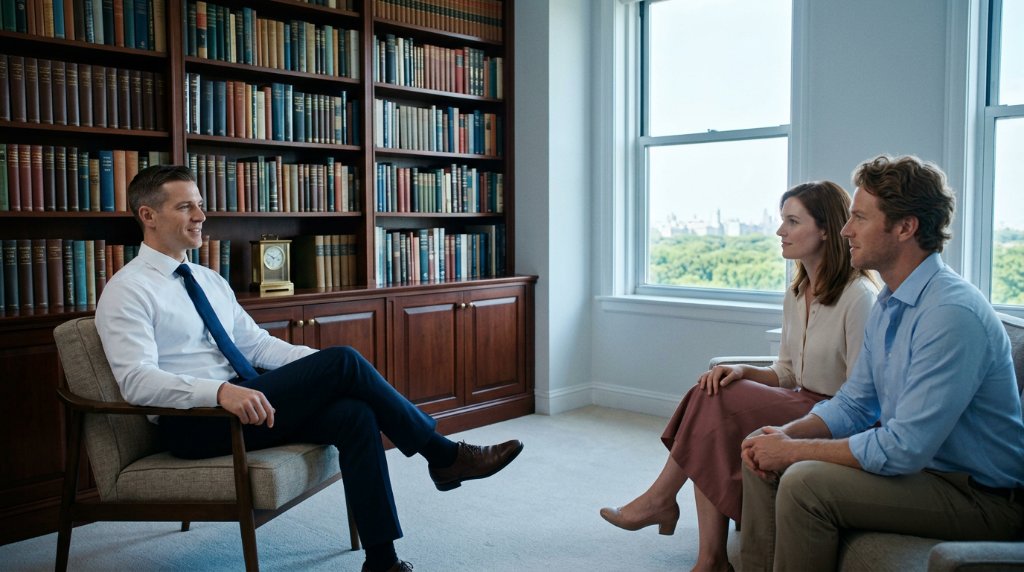
Sex happens in the hour two people share; in the 100-couple study most couples reported nights. — Photo: Samrat Sammy / Pexels
The 2025 study followed 100 heterosexual couples who did not live together and described their relationships as short-term. Volunteers completed a morningness-eveningness questionnaire, a standard way of classifying people as morning or evening types.
Because these couples did not live together, the pattern may look different for partners who share a home and a fixed daily routine. That question was not tested here and remains open.
Asked when sex actually happened, both men and women most often answered 21:00-00:00, regardless of chronotype. The authors suggested that adapting to social schedules evens out the pattern.
Timing of desire varied slightly by type. Morning-type women more often than evening-type women named 15:00-18:00 as the time of greatest desire.
The editorial position of this site is clear: the best time is the one when both partners are awake, relaxed and interested, not the one a general rule dictates. These results rest on 100 couples, on self-report and on short-term relationships in which partners did not share a home.
What Role Does Sleep Play in Next-Day Desire?
In a 2015 study of 171 women recruited from a university setting who were not taking antidepressants and completed daily surveys for 14 consecutive days, longer sleep predicted greater next-day sexual desire; each extra hour of sleep raised the odds of partnered sexual activity by 14%, with an odds ratio of 1.14.
Physical response showed a split. Longer sleep on a given night was linked to poorer genital arousal the next day, while women whose average sleep was longer reported better genital arousal.
Put simply, the pilot suggests that sleep and desire moved together in the same woman from one day to the next, while genital arousal followed a more complicated pattern that a night of longer sleep did not improve.
[Further verification needed: none of the studies reviewed here tested the popular claim about a morning peak of sex hormones.] The 2015 study was a pilot with women only, so its findings apply to that group and remain provisional.
How Much Energy Does Sex Take, and Does Timing Matter?
A 2026 scoping review estimated the energy cost of sexual activity at about 1.8 to 2.8 times resting energy expenditure, expressed in metabolic equivalents. In the same review, sex 10 to 12 hours before testing produced no measurable performance impairment, though the samples were small and almost entirely male.
Those estimates come from small samples of 2 to 16 people, 99% male, aged 20 to 40.
Any effect of sex on sleep quality is a hypothesis that still needs more research. Until it is tested, sleep is best protected on its own account rather than as a by-product of sex.
How Do We Find a Shared Hour?
Each partner can separately note when they feel most awake and most interested, then compare the windows. Where they overlap, set a trial slot. Where schedules clash, agree on a temporary slot and review it after a few weeks rather than waiting for spontaneous alignment.
A simple start is for each partner to write down, separately, the hours of the day and week when they feel most awake, relaxed and interested, and then to lay the two lists side by side. If one partner is a morning type and the other an evening type, the 100-couple data suggest this is not necessarily an obstacle: in that sample partners did not resemble each other in chronotype, yet their waking time, time of greatest desire and time of sex still moved together.
In the clinical experience of sex therapists, couples struggle less with the right hour than with having no shared hour and with the pressure to perform on schedule.
Dropping the expectation of performance lowers strain. Protecting sleep matters too, because the sleep data show an association between longer sleep and greater next-day desire, and that evidence comes from women only.
Neither is universally better. In the 2025 study of 100 couples, both men and women most often named 21:00-00:00 for actual sex, regardless of chronotype, while morning-type women more often named 15:00-18:00 as peak desire.
Does poor sleep lower sexual desire?
In the 2015 study of 171 women recruited from a university setting, none taking antidepressants, longer sleep predicted greater next-day sexual desire, and each additional hour of sleep raised the odds of partnered sexual activity by 14%. The sample was women only.
Does sex improve sleep?
Any effect of sex on sleep quality remains a hypothesis needing more research, so no claim about sleep improvement can be made from these data.
What if our work schedules do not match?
Where schedules clash, each partner can name the hours they feel most awake and interested, then set a trial slot inside the overlap and review it after a few weeks. A shared, keepable hour beats an ideal one.
The Best Hour Is the One You Share
In the 2025 study of 100 couples, 21:00-00:00 was the most commonly reported time of actual sexual activity, and in the 2015 study of 171 women, each additional hour of sleep raised the odds of partnered sexual activity by 14%.
The 2025 study of 100 couples found no single hour that fit everyone, so the shared hour a couple can keep remains the practical target.
Looking for professional support with your relationship or mental health?
Witek A, Grugel R, Kasprowicz J, Pawelec Ł. Chronotype impact on mating, desire for sex and sexual activity in humans. Chronobiol Int. 2025;42(6):706-715. PMID: 40357978. DOI: 10.1080/07420528.2025.2501234
Kalmbach DA, Arnedt JT, Pillai V, Ciesla JA. The impact of sleep on female sexual response and behavior: a pilot study. J Sex Med. 2015;12(5):1221-1232. PMID: 25772315. DOI: 10.1111/jsm.12858
Dhahbi W, Briki W, Dergaa I, Slim I, El Omri A, Pyne DB, Ben Saad H. Acute and delayed effects of sexual activity on athletic performance: a scoping review across sex, age, and ethnicity. Int J Sports Physiol Perform. 2026;21(4):509-520. PMID: 41734091. DOI: 10.1123/ijspp.2025-0454