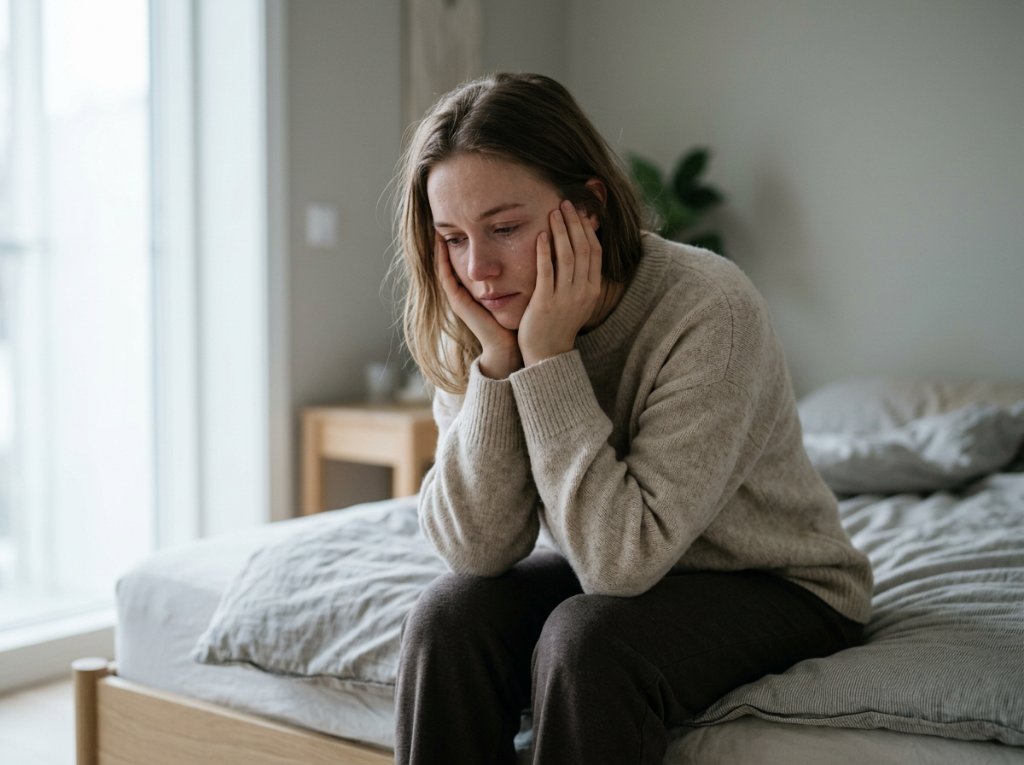
Depression is not only sadness; it often appears as lower energy, loss of pleasure and withdrawal from activity that once felt rewarding. When public figures speak about their own episodes of anxiety and depression, stigma weakens, and the condition becomes visible as something that ignores class and fame. That visibility matters, because recognition is the step before action. It also opens room for practical, evidence-based steps rather than silence.
What exactly is depression, and how does it differ from ordinary sadness?
Clinical depression is a set of persistent symptoms: low mood, loss of pleasure, changes in sleep and appetite, fatigue and negative thoughts lasting more than 2 weeks. Ordinary sadness usually tracks an event and eases, while depression persists and interferes with daily functioning.
The shift from inactivity to some activity shows the largest reduction in depression risk
Duration and impairment separate them. Sadness is a normal response to loss or disappointment and usually fades as circumstances change. Depression can appear without a clear trigger, flattens interest in nearly everything, and distorts thinking toward hopelessness. A person may still laugh or function at work while carrying the condition, which is why observation alone misses it. Because the label covers a range of symptom patterns, people with the same diagnosis can look very different. Some sleep too much, others too little; some eat more, others less. This heterogeneity means that a single recommendation rarely fits everyone, and it explains why tracking one’s own pattern is more useful than comparing oneself with others. The distinction matters because persistent symptoms respond to structured steps, while ordinary sadness often needs time, rest and support rather than a treatment plan.
How much does physical movement really help?
A large meta-analysis of about 191,130 adults found that reaching half the recommended volume of physical activity was linked to about 18 percent lower risk of depression, and reaching the full recommended volume to about 25 percent lower risk. Limitation: this is observational and does not prove causation.
This meta-analysis of about 191,130 adults found the largest reduction in risk occurs in the shift from inactivity to some activity, not in heavy training.
The pattern is a dose-response curve that flattens. Moving from no leisure activity to a modest weekly amount appears to carry the steepest drop in risk, while additional training adds smaller gains. Because the data come from observational cohorts, reverse causation remains possible: people who are already depressed may move less. Self-report of activity and differences in how depression was measured also weaken certainty. Even so, the consistency across large samples supports movement as a low-cost adjunct that also influences sleep, energy and self-efficacy. For practical purposes, any movement from a sedentary baseline is worth discussing with a clinician, and the goal should be sustainable rather than maximal.
Are daily steps a measurable yardstick?
A 2025 systematic review found about 7000 steps a day, compared with 2000, was linked to about 22 percent lower risk of depressive symptoms. Limitation: few studies, and this is an association, not proof of causation, so step counts should be read as a signal rather than a prescription.
Steps are attractive because they are countable, comparable across days and easy to discuss. The comparison between about 7000 and 2000 steps suggests that the gap between very low and moderate movement may matter more than reaching high totals. A phone or wrist device records what a person actually does, which can make feedback concrete. The evidence base is thin, however: few studies, varied populations and different symptom scales. Step counts also rise and fall with physical health, age, work and caregiving. Used flexibly, a step target can serve as a shared reference point in a consultation, while the clinician weighs it against the person’s overall presentation. They are therefore a rough yardstick for discussion, not a diagnostic threshold.
What is behavioral activation, and why does the smallest step matter?
Gradually restoring meaningful activity is among the most effective steps, because action often precedes motivation rather than following it. A 2025 trial in young people found behavioral-activation exercises were linked to reduced depression symptoms over 3 months, even with brief use.
Specialist assessment of depression follows its own path and is not replaced by movement
In clinical work I have repeatedly seen that the first effective step is not a long conversation but the gradual return of simple, pleasant activities to a person’s daily routine.
[Needs further review: the effect of digital self-help tools in people with severe depression, as distinct from prevention and mild cases, has not yet been clearly measured].
The smallest step matters because depression narrows behavior. Withdrawal removes the very experiences that would lift mood, and low energy makes large plans unrealistic. A short walk, a phone call or preparing a simple meal can be scheduled at a fixed time and repeated regardless of how the person feels. Recording what was done, rather than how it felt, builds evidence that action is possible. Over weeks, these small entries can interrupt the cycle of avoidance, restore routine and make larger steps less intimidating. The same logic applies to social contact and sleep: small, repeated actions rebuild a base from which further help can work. Progress is measured by repetition, not by intensity, and setbacks are treated as information rather than failure.
Seek specialist assessment when low mood, loss of pleasure or fatigue persists beyond 2 weeks, interferes with work, study, relationships or daily functioning, or comes with hopelessness. Earlier contact is reasonable if symptoms worsen quickly or if functioning drops sharply.
Does exercise replace treatment?
Physical activity is a complement to specialist care, not a replacement. For moderate or severe depression, movement can support mood, sleep and energy while professional assessment addresses risk and broader treatment planning. It is not an alternative to clinical care.
Where do I start if I have no energy?
Start smaller than feels reasonable: a short walk, standing outside, or a single pleasant activity scheduled at a fixed time. The aim is repetition, not intensity, because early gains come from re-engagement rather than from effort. Consistency matters more than duration.
What role do sleep and social connection play?
Sleep and social connection shape mood, energy and stress regulation. Irregular sleep and withdrawal can maintain depression, so stabilizing wake times and keeping contact with a trusted person are practical supports alongside movement. Neither replaces assessment when symptoms are severe.
The practical message is that a rise from inactivity toward about 7000 steps a day was linked to about 22 percent lower risk of depressive symptoms, and the steepest gain came from leaving inactivity behind. These steps support specialist treatment rather than replacing it, and they remain useful even when motivation is low. Starting smaller than feels reasonable is the point, because repeated small actions rebuild routine and create room for professional care.
Looking for professional support with your relationship or mental health?
1. Pearce M, et al. Association Between Physical Activity and Risk of Depression: A Systematic Review and Meta-analysis. JAMA Psychiatry. 2022. PMID: 35416941. DOI: 10.1001/jamapsychiatry.2022.0609
2. Ding D, et al. Daily steps and health outcomes in adults: a systematic review and dose-response meta-analysis. Lancet Public Health. 2025. PMID: 40713949. DOI: 10.1016/S2468-2667(25)00164-1
3. Bralee E, et al. Brief use of behavioral activation features predicts benefits of self-help app on depression symptoms. J Consult Clin Psychol. 2025. PMID: 40126557. DOI: 10.1037/ccp0000917
Featured and in-text images: AI-generated (Gemini 3.1 Flash via OpenRouter).