


Behind the thin glossy skin of red grapes hides one of nature’s most studied anti-cancer compounds: resveratrol. But what does science actually say about this colorful cluster?
This article is presented by Dr. Saeed Behckam, clinical psychologist and sex therapist practicing in Iran (Tehran) and Canada (Toronto, Richmond Hill & Vancouver), for the readers of Behckam.com.
What Is Resveratrol and Where Is It Found?
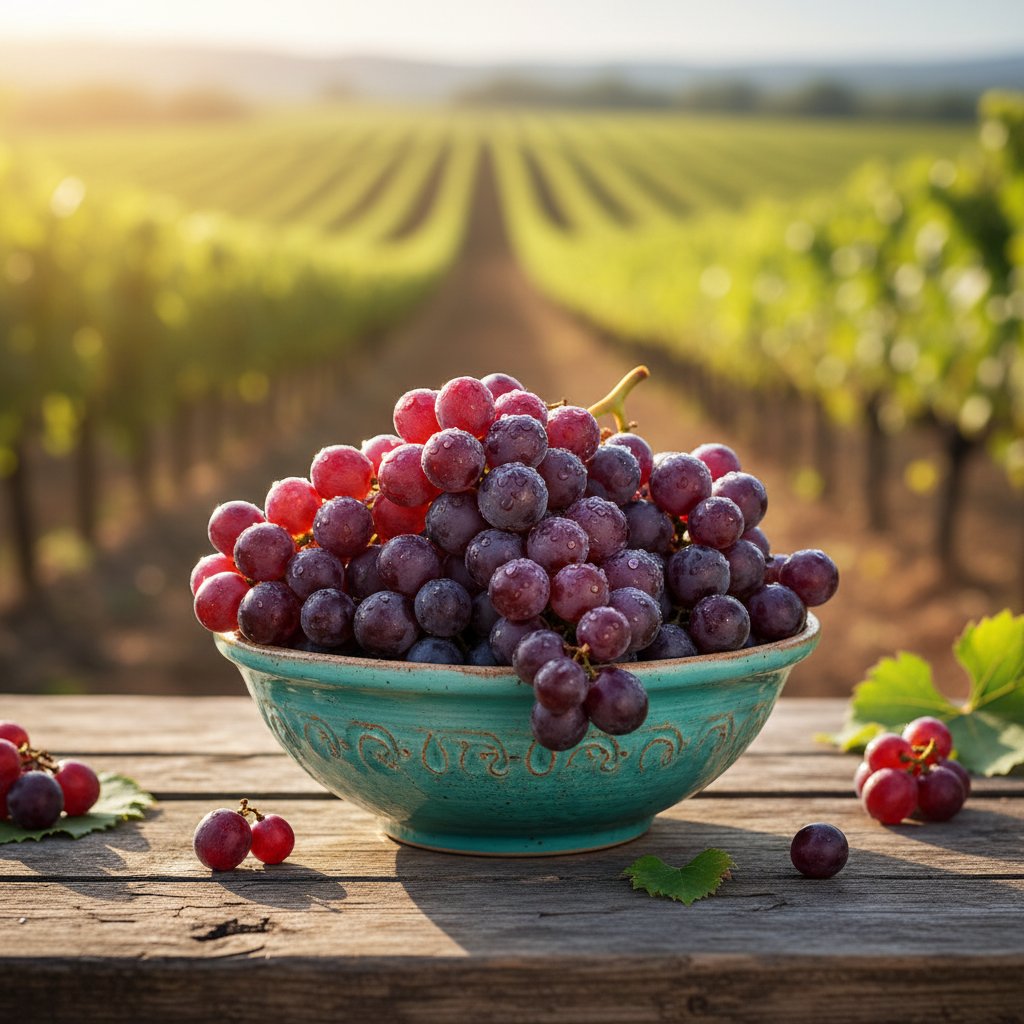
Resveratrol is a polyphenol plants produce in self-defense, most concentrated in the skin of red grapes. It is what sets red grapes apart from their green cousins and has kept them at the center of cancer-prevention research for decades.

What Does the Science Say?
According to PubMed, the comprehensive review by Brockmueller and colleagues (2023) shows resveratrol acts as a sensitizer in colorectal cancer: it modulates drug-resistance pathways, inflammation and cancer-cell plasticity, enhancing the effect of chemotherapy. The systematic review by Farinetti and colleagues (2017) likewise links components of the Mediterranean diet — including resveratrol — with reduced initiation and progression of colorectal cancer. Most evidence remains preclinical, and more human trials are needed.

Why Is Red Wine Not the Answer?
A subtle but crucial point: although red wine contains resveratrol, alcohol itself is an established cause of several cancers, including colorectal cancer. Simply put, the possible benefit of wine’s resveratrol is lost in the certain harm of its alcohol. Fresh grapes, raisins and natural grape juice deliver the compound without the cost.
Where Do Grapes Fit in an Anti-Cancer Lifestyle?
Cancer prevention is a basket, not a pill: a colorful plant-forward plate, daily movement, healthy weight, no tobacco or alcohol, and a calm mind. Red grapes are a welcome guest in that basket — especially in place of processed desserts.
Related reading: Live to 100: What Do the Blue Zones Teach Us?
Frequently Asked Questions — Behckam.com
What is resveratrol?
Resveratrol is a plant polyphenol concentrated in the skin of red grapes, peanuts and berries, with anti-inflammatory and anti-cancer effects shown in numerous studies.
Can eating red grapes prevent cancer?
No single food is cancer insurance; but evidence shows resveratrol inhibits resistance pathways of colorectal cancer cells in laboratory models, and the Mediterranean dietary pattern is associated with lower colorectal cancer risk.
Does red wine offer the same benefit?
No. Experts stress that alcohol itself is an established risk factor for several cancers, including colorectal cancer — the certain harm of alcohol outweighs the possible benefit of its resveratrol. Fresh grapes and natural grape juice are the right choice.
How many grapes should I eat?
Within a varied diet, one or two daily servings of fruit — sometimes red grapes — is enough; the colorful variety of fruit matters more than any single item.
Conclusion
Red grapes are no miracle drug, but they are a small, delicious member of a large strategy: the plant-forward eating pattern science links to lower colorectal cancer risk. Pick up a cluster — to your health, no glass required.
Looking for professional support with your relationship or mental health?
For evidence-based, confidential guidance on your sexual, emotional and mental wellbeing, you can book a private consultation with Dr. Saeed Behckam, Iranian clinical psychologist and sex therapist serving clients in Tehran, Toronto, Vancouver and worldwide online.
Scientific References
Image Credits
Featured & content images: AI-generated / Nano Banana via OpenRouter